The FPS Game That Should Have Taken Over
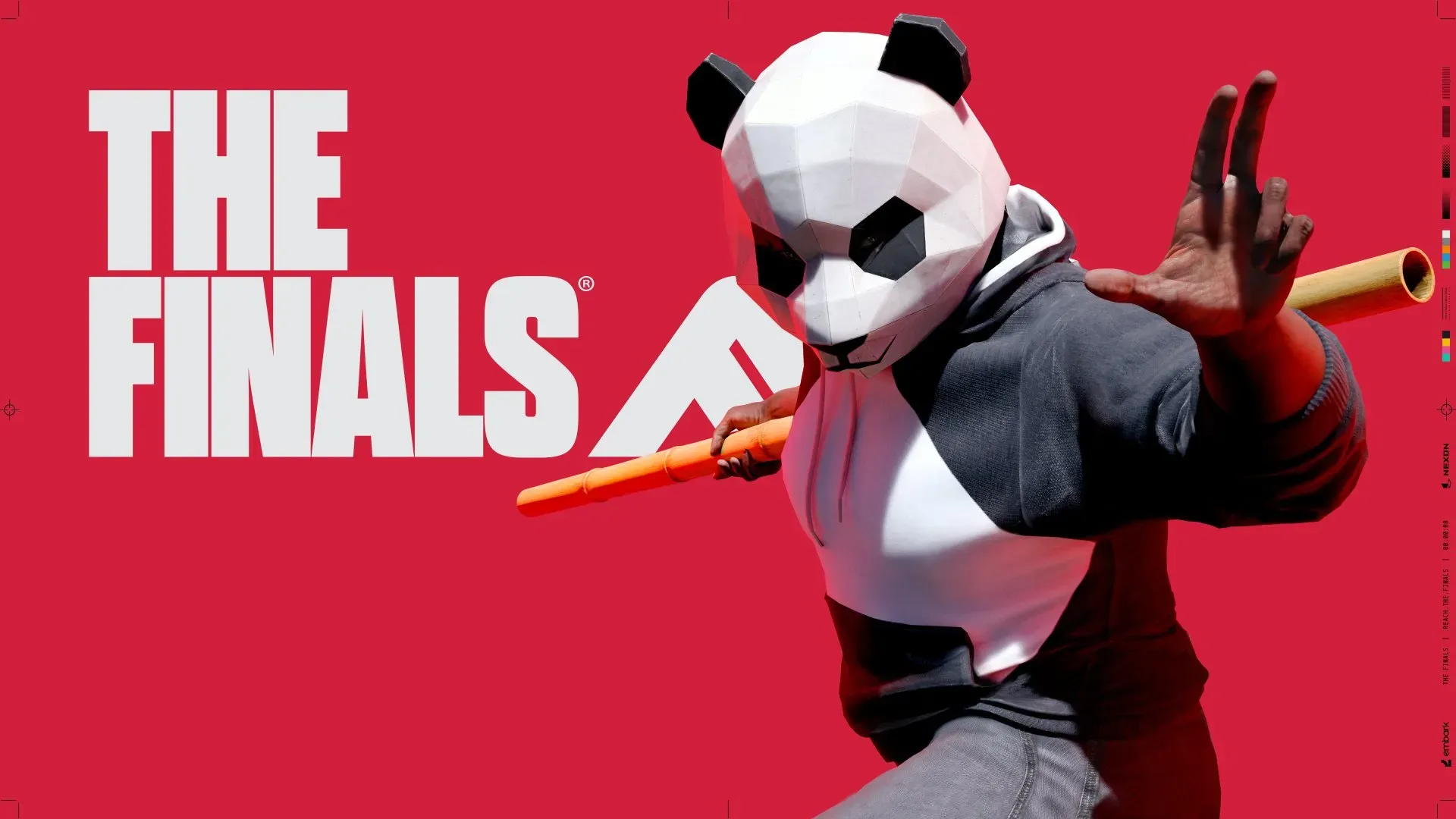
The Finals feels immediately familiar.
You spawn. You move. You shoot. The weapons are responsive and expressive. The feedback is clean. Underneath the spectacle, it is still an FPS built on readable gunfights and clear objectives.
Then the arena collapses.
Buildings splinter. Floors give way. Sightlines disappear mid fight. It evokes the early Battlefield years when destruction was not decoration but strategy. The difference is tone. The Finals wraps it all in neon lighting, game show theatrics, and a layer of personality that most shooters abandoned years ago.
On paper, it does a lot right.
The core mode is not radically alien. It asks players to secure cashouts rather than hold a generic point, but the logic is understandable within a match or two. The skill ceiling is high. Movement matters. Aim matters. Team coordination matters. The sandbox rewards creativity without feeling random.
It does not break the FPS contract.
This is the pace.
This is the rhythm.
This is what a firefight feels like.
And yet it has not become the dominant habit many expected.
The data supports the tension. The Finals launched to a massive concurrency spike and then contracted sharply before settling into a much smaller, stable core. That is not a total collapse. It is not abandonment. It is something quieter. A dedicated base without mainstream gravity.
So what happened?
Part of it is inertia. Competing shooters already own routines. Warzone, Apex, Counter Strike, Fortnite. They are not just games. They are social infrastructure. Leaving them requires more than interest. It requires migration.
Part of it is cognitive load. The destruction and cashout mechanics are legible, but they are not passive. They demand adaptation. Verticality shifts mid match. Objectives move. The arena is unstable by design. That instability is thrilling at a high skill level. It can feel chaotic at a casual one.
There is also the question of identity. The Finals has style in abundance, but it occupies an awkward space. Not quite a battle royale. Not quite a traditional objective shooter. Not a military sim. Not a hero shooter in the modern sense. It is distinct without being anchored to an existing tribe.
Distinct can be powerful. It can also be isolating.
None of this means it failed. It found a floor and maintained positive sentiment. In 2026, that alone is meaningful. But mainstream dominance requires more than quality. It requires becoming the default choice on a Tuesday night.
The Finals may be one of the best feeling shooters available right now.
It just never quite became the one people reorganized their week around.